Documentary Movies
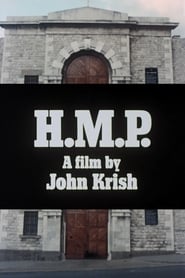
H.M.P. (1976)
Humane recruitment film made for the prison services, following three new recruits on a tour of a facility.
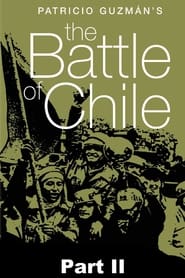
The Battle of Chile: Part II (1976)
Chronicles the events immediately surrounding the CIA- supported coup itself.

Grey Gardens (1976)
Edie Bouvier Beale and her mother, Edith, two aging, eccentric relatives of Jackie Kennedy Onassis, are the sole inhabitants of a Long Island estate. The women reveal themselves to be…
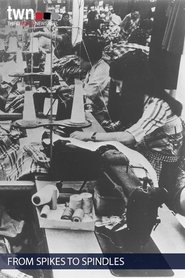
From Spikes to Spindles (1976)
This raw, gutsy portrait of New York’s Chinatown captures the early days of an emerging consciousness in the community. We see a Chinatown rarely depicted, a vibrant community whose young…
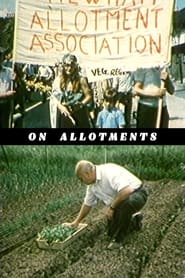
On Allotments (1976)
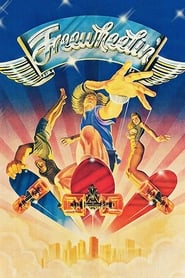
Freewheelin’ (1976)
Stacy Perlata and Camille Darrin share a passion for their lifestyle of skateboarding. Camille narrates the film, and the two of them travel to various places in California with his…

Australia After Dark (1975)
An exotic world of eroticism, witchcraft, masochism and strange secret places.
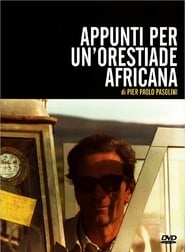
Notes Towards an African Orestes (1975)
The director presents takes and scenes filmed on location in Africa for a film-that-never-was, a black Oresteia.
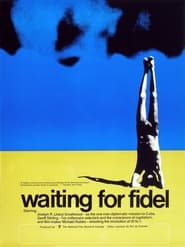
Waiting for Fidel (1975)
This feature-length documentary from 1974 takes viewers inside Fidel Castro’s Cuba. A movie-making threesome hope that Fidel himself will star in their film. The unusual crew consists of former Newfoundland…
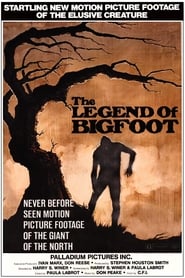
The Legend of Bigfoot (1975)
A documentary about the legendary creature, Bigfoot, with emphasis on him being the missing link.
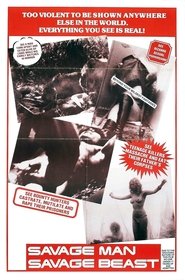
Savage Man Savage Beast (1975)
A notorious mondo film depicting unbelievable and bizarre rituals, animal killing and cruelty, and people being killed and eaten, all by either animals or humans against each other or themselves.
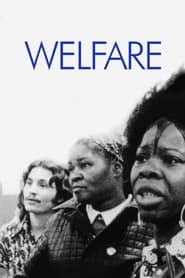
Welfare (1975)
WELFARE shows the nature and complexity of the welfare system in sequences illustrating the staggering diversity of problems that constitute welfare: housing, unemployment, divorce, medical and psychiatric problems, abandoned and…
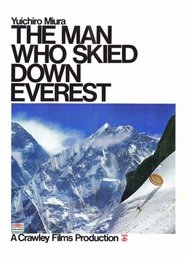
The Man Who Skied Down Everest (1975)
This Oscar-winning documentary tells the story behind Japanese daredevil Yuichiro Miura’s 1970 effort to ski down the world’s tallest mountain. Preserved by the Academy Film Archive in 2010.
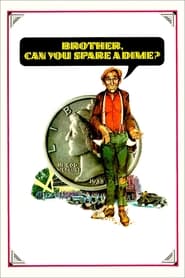
Brother Can You Spare a Dime? (1975)
Period music, film clips and newsreel footage combined into a visual exploration of the American entertainment industry during the Great Depression.

Daguerréotypes (1975)
An intimate portrait of the small shops and shopkeepers of the Rue Daguerre in Paris, a picturesque street that has been the filmmaker’s home for more than 50 years.

Anna (1975)
A documentary ostensibly about Anna, a young drug addict taken off the streets by one of the filmmakers. Through her they attempt to explore the social issues from their hippie…
Letter from Paris (1975)
Paris is a monstrously inhuman cityscape, in which cars, buses, crowds, and unceasing noise combine to smother any decent and delicate human activity. People and flowers attempt to survive in…
Kenji Mizoguchi: The Life of a Film Director (1975)
In 39 interviews with actors and actresses, writers, producers and staff members, interspersed with film excerpts and stills, Shindō recounts the life and career of his friend and mentor Mizoguchi.
In Search of Dracula (1975)
A documentary exploring the legends of vampires, using books, paintings and early films on the subject.
The Other Half of the Sky: A China Memoir (1975)
Documentary on mainland Chinese life. Directed, produced, written, and narrated by Shirley MacLaine, the film follows her First American Women’s Friendship Delegation to China. The delegation consisted of all women,…
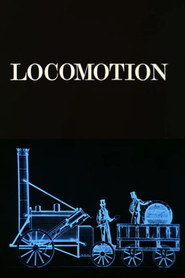
Locomotion (1975)
Collage film about the history of trains set to music.
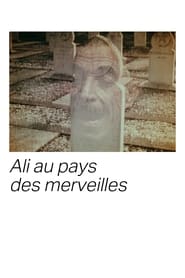
Ali in Wonderland (1975)
Ali in Wonderland unveils the condition of immigrant workers in Paris in the 1970s. It is a cry of anger against exploitation and racism, uncompromisingly raising the role of the…
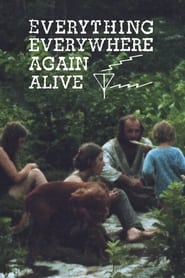
Everything Everywhere Again Alive (1975)
In the early 1970s, Toronto filmmaker Keith Lock moved to Buck Lake, where members of the Toronto art scene were undertaking an experiment in communal living. Lock filmed the achievements…
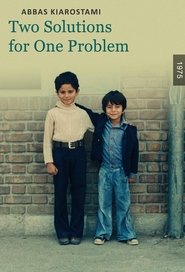
Two Solutions to One Problem (1975)
During breaktime, Dara and Nader have a fierce argument about a torn exercise book that the former has given back to the latter. There are two possible outcomes, which the…
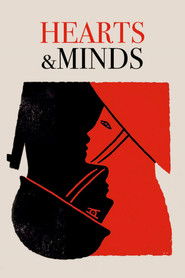
Hearts and Minds (1974)
Many times during his presidency, Lyndon B. Johnson said that ultimate victory in the Vietnam War depended upon the U.S. military winning the “hearts and minds” of the Vietnamese people….
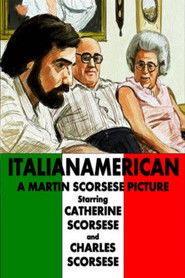
Italianamerican (1974)
Filmmaker Martin Scorsese interviews his mother and father about their life in New York and family history back in Sicily.
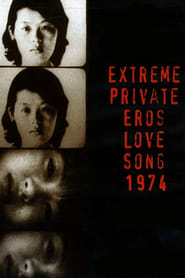
Extreme Private Eros: Love Song 1974 (1974)
When his wife, the outspoken feminist Miyuki Takeda, announced that she was leaving him in order to find herself, Kazuo Hara began this raw, intensely personal documentary as a way…
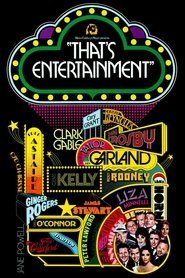
That’s Entertainment! (1974)
Various MGM stars from yesterday present their favorite musical moments from the studio’s 50 year history.
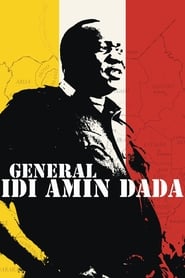
General Idi Amin Dada (1974)
Filmmaker Barbet Schroeder shows the Ugandan dictator meeting his Cabinet, reviewing his troops, explaining his ideology.

The Society of the Spectacle (1974)
Guy Debord’s analysis of a consumer society.
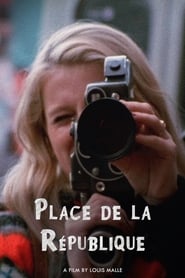
Place de la République (1974)
Louis Malle presents his entertaining snapshot of the comings and goings on one street corner in Paris.
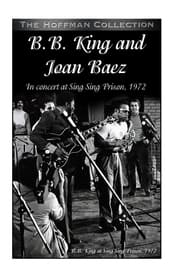
Sing Sing Thanksgiving (1974)
B.B. King, Joan Baez and other great artists gather for a show at Sing Sing Prison.
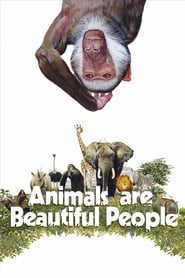
Animals Are Beautiful People (1974)
Animals Are Beautiful People (aka Beautiful People) is a 1974 nature documentary about the wildlife in Southern Africa. It was filmed in the Namib Desert, the Kalahari Desert and the…
Penthesilea: Queen of the Amazons (1974)
Penthesilea, the first of six films made by Laura Mulvey and Peter Wollen, traverses thousands of years to look at the image of the Amazonian woman in myth. It asks,…
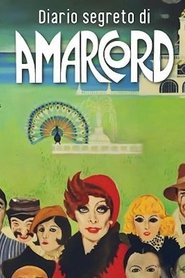
The Secret Diary of ‘Amarcord’ (1974)
A tongue-in-cheek documentary that goes “behind the scenes” during the production of Federico Fellini’s film “Amarcord” (1973).
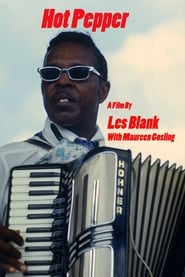
Hot Pepper (1973)
A musical portrait of Zydeco King Clifton Chenier, who combines the pulsating rhythms of Cajun dance music and black R&B with African overtones, belting out his irresistible music in the…
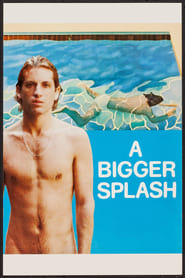
A Bigger Splash (1973)
After a difficult break-up, Hockney is left unable to paint, much to the concern of his friends.
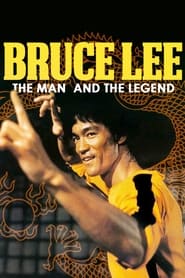
Bruce Lee: The Man and the Legend (1973)
This documentary tells the story of Bruce Lee and his unsuccessful efforts to start a acting career in the U.S., he returned to Hong Kong where he became an international…
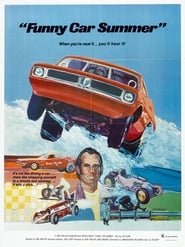
Funny Car Summer (1973)
This documentary chronicles a summer in the life of firefighter and funny car racer Jim Dunn and his family.
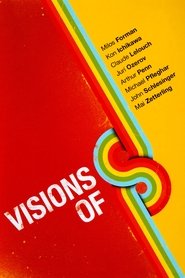
Visions of Eight (1973)
Eight acclaimed filmmakers bring their unique and differing perspectives to the 1972 Summer Olympic Games held in Munich. The segments include Lelouch’s take on Olympic losers and their struggle to…